














How to Save Your First $1,000: A Simple Step-by-Step Plan
Saving your first $1,000 can feel like a huge challenge, especially if you are starting with little or no money in savings.
You may have bills to pay, debt to manage, groceries to buy, transportation costs, and other everyday expenses. After everything is paid, there may seem to be nothing left to save.
But saving your first $1,000 doesn’t necessarily require a high income.
It requires a clear goal, a realistic plan, consistent savings, and control over unnecessary spending.
The first $1,000 is also more than just a number. It can become the foundation of an emergency fund and give you a financial cushion when unexpected expenses occur.
In this guide, you’ll learn exactly how to save your first $1,000, even if you’re starting from $0.
Why Your First $1,000 Matters
Having $1,000 in savings can provide an important financial buffer.
Imagine your car suddenly needs a $600 repair, your refrigerator stops working, or you have an unexpected medical or household expense.
Without savings, you may have to rely on a credit card, borrow money from someone else, or take out a loan.
With $1,000 available, you have more options.
Your first $1,000 can help you:
- Handle unexpected expenses
- Avoid unnecessary debt
- Reduce financial stress
- Build an emergency fund
- Develop better saving habits
- Gain confidence in managing your money
It may not solve every financial problem, but it can be an important first step toward financial stability.
Step 1: Give Yourself a Specific Deadline
Don’t simply say:
“I want to save $1,000.”
Give your goal a deadline.
For example:
“I will save $1,000 within six months.”
Once you have a deadline, you can calculate exactly how much you need to save.
Save $1,000 in 12 months
You need approximately:
$84 per month
or about:
$20 per week
Save $1,000 in 6 months
You need approximately:
$167 per month
or about:
$39 per week
Save $1,000 in 3 months
You need approximately:
$334 per month
or about:
$77 per week
Choose a target that fits your income and current financial responsibilities.
You don’t have to save $1,000 quickly.
The best savings plan is one you can actually maintain.
Step 2: Find Out Where Your Money Is Going
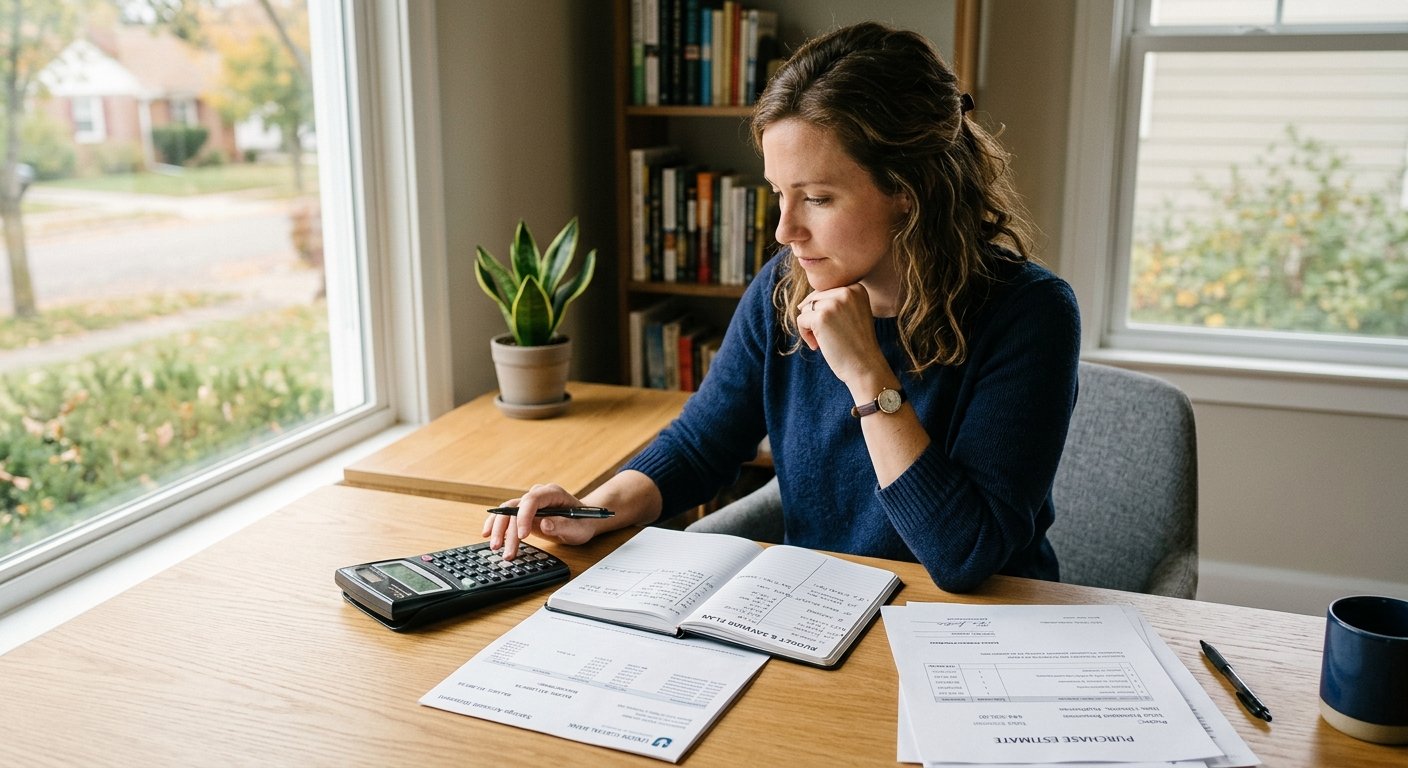
Before trying to save $1,000, track your spending.
For at least 30 days, write down every expense.
Don’t leave out small purchases.
Record:
- Rent or mortgage
- Groceries
- Restaurant meals
- Transportation
- Gas
- Utilities
- Phone bills
- Internet
- Subscriptions
- Entertainment
- Shopping
- Online purchases
- Bank fees
- Small cash purchases
At the end of the month, review your spending.
Look for expenses that aren’t essential or don’t provide enough value.
You may discover that you have several opportunities to free up money.
For example:
| Expense | Possible Monthly Reduction |
|---|---|
| Unused subscriptions | $25 |
| Takeout/restaurant spending | $60 |
| Impulse shopping | $50 |
| Unnecessary fees | $15 |
| Other spending | $50 |
| Potential savings | $200 |
If you could redirect $200 every month toward your savings goal, you could reach $1,000 in just five months.
Step 3: Create a $1,000 Savings Fund
Don’t keep your goal only in your head.
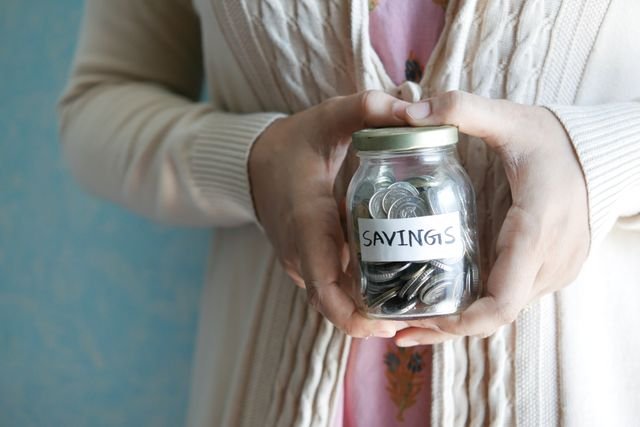
Create a separate savings account or savings category specifically for your $1,000 goal.
Give it a name such as:
“My First $1,000”
This can make your goal feel more tangible.
When money is mixed with your everyday spending account, it can be easy to spend it.
Keeping the money separate can make it easier to leave it untouched.
Step 4: Start With Whatever You Can Afford
Don’t wait until you can save $100 or $200 at a time.
If you can only save $10, start with $10.
If you can save $25, save $25.
If you can save $50, save $50.
The important thing is to start.
For example:
$10 → $25 → $50 → $100 → $250 → $500 → $750 → $1,000
Every milestone means you’re getting closer.
Your first $10 may seem insignificant, but it represents something important:
You have started.
Step 5: Automate Your Savings
One of the easiest ways to save consistently is to automate the process.
Set up an automatic transfer from your checking account to your savings account.
For example, if you’re paid every two weeks, you could automatically transfer:
$40 × 26 paychecks = $1,040 per year
You would actually exceed your $1,000 goal.
If $40 is too much, start with $20.
The goal is to make saving automatic rather than relying entirely on willpower.
Step 6: Use the 24-Hour Rule
Impulse purchases can make it difficult to save your first $1,000.
Before buying something that isn’t essential, wait 24 hours.
For expensive purchases, wait several days.
Ask yourself:
- Do I really need this?
- Can I afford it?
- Do I already own something similar?
- Will I still want it tomorrow?
- Is this purchase more important than my $1,000 goal?
You may discover that many things you want today aren’t things you actually need.
Turn “I want it” into “I want $1,000 more”
This simple change in mindset can make a significant difference.
Instead of thinking:
“Can I afford this $30 purchase?”
Ask:
“Would I rather have this $30 item or be $30 closer to my $1,000 goal?”
That question forces you to think about your bigger financial objective.
Step 7: Cut Three Expenses
You don’t need to eliminate every enjoyable expense.
Instead, identify three expenses you can reduce.
For example:
Cut one subscription
Save $15 per month.
Eat out one fewer time per week
Save $40 per month.
Reduce impulse shopping
Save $50 per month.
That’s:
$15 + $40 + $50 = $105 per month
Over six months, that’s:
$630
You don’t need to completely change your lifestyle.
Small reductions can add up.
Step 8: Try a No-Spend Challenge
A no-spend challenge can help you temporarily reduce unnecessary purchases.
Choose seven days or 30 days.
During the challenge, spend money only on essential expenses.
Avoid:
- Takeout
- Unplanned shopping
- Entertainment purchases
- Unnecessary online shopping
- New clothing
- Impulse purchases
At the end of the challenge, calculate how much you avoided spending.
If you saved $75 during the challenge, transfer that money into your $1,000 fund.
The challenge can also reveal spending habits you didn’t realize you had.
Step 9: Save Your Unexpected Money
One of the fastest ways to reach $1,000 is to save some of the money you weren’t expecting.
Examples include:
- Work bonuses
- Tax refunds
- Cash gifts
- Freelance payments
- Side-hustle income
- Rebates
- Commissions
- Money from selling unwanted items
You don’t necessarily have to save all of it.
Consider saving 50%.
For example, if you receive a $400 bonus, you could put $200 toward your $1,000 goal and use the other $200 for another financial priority.
If you receive $600 and save $300, you’re already 30% of the way to your goal.
Step 10: Sell Things You Don’t Need
Look around your home.
You may own items that you rarely use.
Consider selling:
- Old electronics
- Unused furniture
- Clothing
- Tools
- Collectibles
- Sports equipment
- Appliances
- Video games
- Unused household items
Suppose you sell several items and make:
$75 + $100 + $50 + $125 = $350
You would already have more than one-third of your $1,000 goal.
Selling unwanted possessions can also help you declutter your home while improving your finances.
Step 11: Find a Temporary Way to Earn Extra Money
If cutting expenses isn’t enough, consider increasing your income temporarily.
You could potentially earn additional money through:
- Freelancing
- Tutoring
- Delivery work
- Weekend work
- Online services
- Selling products
- Consulting
- Pet sitting
- Babysitting
- Photography
- Graphic design
- Writing
- Selling unused items
For example, earning an extra $100 per month for six months would produce:
$600
Combined with $400 from your normal savings, you’d reach your $1,000 goal.
You don’t necessarily need a permanent second job.
A temporary increase in income can help you reach a specific financial target.
Step 12: Use a Savings Challenge
Savings challenges can make the process more interesting.
For example, you could use a weekly savings plan:
| Week | Amount |
|---|---|
| 1 | $10 |
| 2 | $15 |
| 3 | $20 |
| 4 | $25 |
| 5 | $30 |
| 6 | $35 |
| 7 | $40 |
| 8 | $45 |
| 9 | $50 |
| 10 | $55 |
| 11 | $60 |
| 12 | $65 |
You don’t have to follow this exact schedule.
The idea is to gradually increase your savings as you become more comfortable.
Alternatively, save the same amount every week.
For many people, a consistent amount is easier to manage.
How to Save $1,000 in 6 Months
If you want to reach your goal within six months, here’s a simple plan.
You need approximately $167 per month.
One way to achieve this could be:
$100 from regular income
$40 from reducing expenses
$27 from extra income
Total:
$167 per month
After six months:
$167 × 6 = approximately $1,002
You don’t have to get the entire $167 from one source.
Combining several strategies can make the goal easier.
How to Save $1,000 in 3 Months
Saving $1,000 in three months requires approximately $334 per month.
That may be difficult if your income is limited, but combining strategies can help.
For example:
- $150 from your normal income
- $75 from cutting expenses
- $75 from additional income
- $34 from selling unused items
Total:
$334 per month
Over three months, that’s approximately $1,002.
The lesson is important:
You don’t necessarily need to find $334 from one place.
You can build your savings goal from multiple sources.
What If You Have Debt?
If you’re carrying high-interest debt, saving $1,000 requires some additional thought.
You may want to build a small emergency cushion while also paying down expensive debt.
For example, you could first establish a starter emergency fund of $500 and then focus more aggressively on high-interest debt.
The right balance depends on your income, interest rates, minimum payments, financial obligations, and overall circumstances.
The important thing is not to completely ignore emergencies while aggressively paying debt.
Without any savings, even a relatively small unexpected expense could force you to borrow again.
Where Should You Keep Your First $1,000?
If the money is intended to be an emergency fund, it should generally be kept somewhere that is relatively safe and accessible.
Depending on your circumstances, this could include an appropriate savings account or another suitable cash savings option.
Don’t choose an account solely because it offers a higher return.
For emergency savings, accessibility and preservation of your money are important considerations.
Also check:
- Interest rate
- Fees
- Withdrawal rules
- Minimum balance requirements
- Account access
- Deposit protections that apply in your country
The purpose of your first $1,000 should be to provide a financial cushion—not to take unnecessary investment risks.
What Should You Do After Saving $1,000?
Reaching $1,000 shouldn’t be the end of your savings journey.
It should be the beginning.
Once you’ve reached your first $1,000, consider setting your next goal.
For example:
$1,000 → $2,500 → $5,000 → $10,000
Your next target could be building an emergency fund that covers several months of essential expenses.
If your essential monthly expenses are $2,500, for example, three months of expenses would be $7,500.
You don’t have to reach that amount quickly.
Continue building your savings gradually.
How to Avoid Spending Your $1,000
Saving the money is only half the battle.
You also need to protect it.
Before using your $1,000, ask:
“Is this an actual emergency?”
A broken water heater may be an emergency.
A medical bill may be an emergency.
A necessary car repair may be an emergency.
A new television because the latest model was released probably isn’t.
Give your savings a specific purpose and establish rules for when you’re allowed to use it.
A Simple 30-Day Plan to Start Saving Your First $1,000
If you’re ready to begin, use this four-week plan.
Week 1: Track Your Spending
Write down every expense.
Find your three biggest opportunities to cut unnecessary spending.
Week 2: Make Your First Deposit
Transfer your first amount into your savings account.
It could be $10, $25, $50, or more.
The amount matters less than taking the first step.
Week 3: Find Extra Money
Sell something you don’t need, take on a small side job, or find another legitimate way to generate additional income.
Put the money toward your $1,000 goal.
Week 4: Automate the Process
Set up an automatic transfer that occurs whenever you receive your paycheck or other regular income.
Then continue tracking your progress.
The $1,000 Savings Tracker
Use these milestones to keep yourself motivated:
| Milestone | Progress |
|---|---|
| First $50 | 5% |
| $100 | 10% |
| $250 | 25% |
| $500 | 50% |
| $750 | 75% |
| $900 | 90% |
| $1,000 | 100% |
Each milestone represents progress.
Don’t become discouraged if you don’t reach the goal as quickly as you expected.
If you save $1,000 in 12 months instead of six months, you still saved $1,000.
Final Thoughts
Saving your first $1,000 may seem difficult when you’re starting from $0, but you don’t have to save it all at once.
Break the goal into smaller amounts.
Save $20 a week.
Cut a few unnecessary expenses.
Automate your savings.
Save part of your unexpected income.
Sell things you no longer need.
Find temporary ways to earn additional money.
Most importantly, stay consistent.
Your first $1,000 can become the foundation for a much stronger financial future.
Once you prove to yourself that you can save $1,000, your next financial goal may not seem nearly as intimidating.
Start with the first dollar.
Then the first $10.
Then $100.
Keep going until you reach $1,000.
Your future self will be glad you did.